
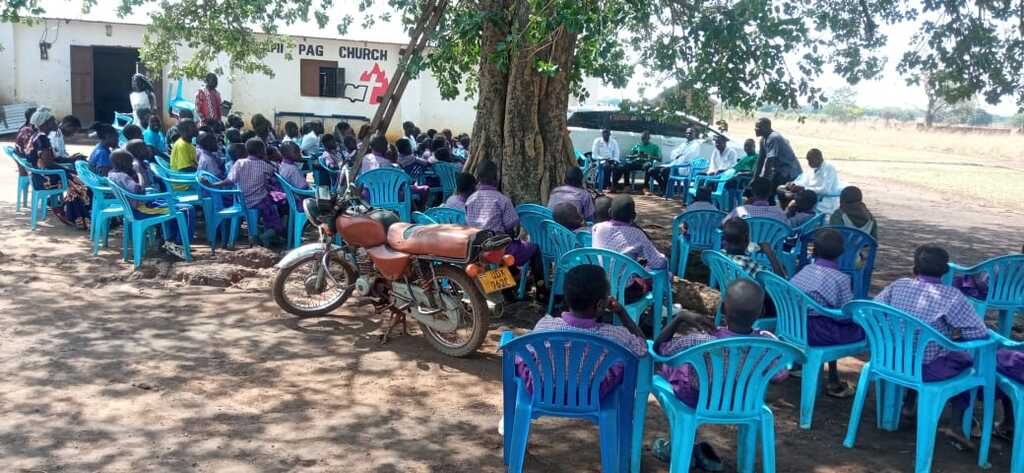
Heritage Foster Initiative Uganda is a community-driven organization committed to improving the health, dignity, and future of vulnerable populations—especially women, children, adolescents, and marginalized groups in hard-to-reach communities. Our work is rooted in the belief that every human being deserves access to quality healthcare, protection, education, and opportunity regardless of where they live.
We implement integrated, community-based programs that address some of the most pressing challenges affecting rural and underserved populations in Uganda. These include limited access to healthcare, high maternal and child mortality, gender-based violence, school dropout, lack of clean water, and the neglect of children with special needs.
Our approach is holistic, inclusive, and sustainable—focusing not only on service delivery but also on empowerment, prevention, education, and system strengthening.
Below is a comprehensive overview of our core program areas:
1. Sexual and Reproductive Health Rights (SRHR)
At the heart of our work is the promotion of sexual and reproductive health and rights (SRHR). We believe that every individual—especially women, girls, and young people—has the right to make informed decisions about their bodies, health, and future.
Sexual and reproductive health is not only about the absence of disease but a state of complete physical, mental, and social well-being related to sexuality and reproduction . It includes access to accurate information, family planning services, maternal healthcare, and protection from sexually transmitted infections and harmful practices.
What We Do:
Why It Matters:
Uganda has a large youth population, and many young people face risks such as early pregnancies and HIV infections due to lack of information and services . Our SRHR programs empower individuals with knowledge and access to services that protect their health and future.
2. Maternal and Child Health
We are committed to ensuring that no mother or child dies from preventable causes. Maternal and child health focuses on the well-being of women during pregnancy, childbirth, and after delivery, as well as the survival and development of children.
Many maternal and child deaths in Uganda are caused by preventable conditions such as infections, unsafe deliveries, and lack of skilled care .
What We Do:
Our Impact:
Through our medical outreaches, we bring essential health services closer to communities that would otherwise go without care. We ensure that mothers receive timely support and children grow healthy and strong.
Why It Matters:
Healthy mothers give birth to healthy children, and healthy children build strong communities. Investing in maternal and child health is one of the most effective ways to reduce poverty and improve development outcomes.
3. Adolescent and Youth-Friendly Services
Adolescents and young people are at a critical stage of life where access to accurate information and supportive services can shape their future. However, many young people face barriers such as stigma, lack of confidentiality, and limited youth-friendly services.
We provide adolescent and youth-friendly services that are accessible, inclusive, and responsive to their unique needs.
What We Do:
Why It Matters:
Young people need safe spaces and trusted support systems. Access to youth-friendly services helps prevent early pregnancies, reduce HIV infections, and empower young people to make responsible decisions about their lives .
4. Cervical Cancer Awareness and Screening
Cervical cancer is one of the leading causes of death among women in Uganda, yet it is preventable and treatable if detected early.
Heritage Foster Initiative Uganda is actively working to reduce cervical cancer through awareness, education, and screening.
What We Do:
Why It Matters:
Many women in rural areas have never been screened due to lack of awareness or access. By bringing information and services closer to communities, we are saving lives through prevention and early detection.
Access to clean water and proper sanitation is essential for health and dignity. However, many communities in hard-to-reach areas lack safe water sources and sanitation facilities.
Poor sanitation and hygiene contribute to diseases such as diarrhea, cholera, and infections, especially among children.
What We Do:
Why It Matters:
Safe water and sanitation are fundamental to preventing disease and improving health outcomes. Improved WASH services also encourage school attendance, especially for girls.
6. Gender-Based Violence (GBV) Prevention and Response
Gender-based violence remains a major challenge affecting women, girls, and vulnerable populations. It includes physical, sexual, emotional, and economic abuse.
In Uganda, many women and girls experience violence, often in silence due to stigma and cultural norms .
What We Do:
Why It Matters:
Gender-based violence affects health, education, and economic well-being. By addressing GBV, we protect human rights and create safer communities for all.
7. School Sponsorship for the Most Vulnerable Pupils
Education is a powerful tool for breaking the cycle of poverty. However, many children in Uganda are unable to attend school due to financial constraints.
We support the most vulnerable pupils by ensuring they stay in school and achieve their full potential.
What We Do:
Why It Matters:
Many children drop out of school due to poverty, early marriage, or lack of support. By investing in their education, we are building a brighter future for individuals, families, and communities.
8. Rehabilitation of Children with Down Syndrome
Children with Down syndrome and other disabilities are often neglected, stigmatized, or excluded from society. Heritage Foster Initiative Uganda is committed to ensuring that every child, regardless of ability, is valued and supported.
What We Do:
Why It Matters:
Children with disabilities have the same rights as all children—to live, learn, and thrive. Early support and inclusion can significantly improve their quality of life and future opportunities.